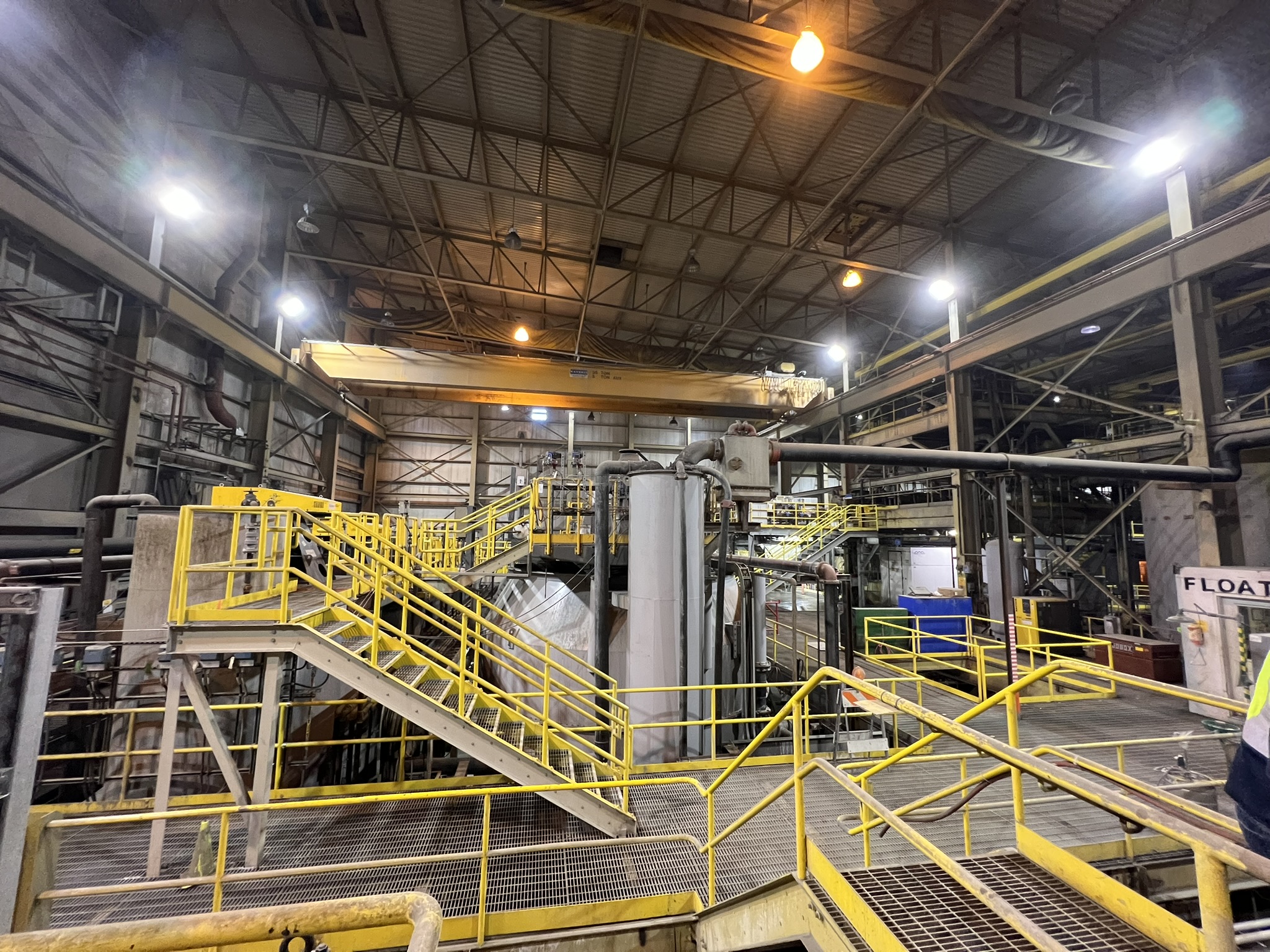
Project highlights
- Region: North America
- Industry Sector: Mining and Minerals
- Commodity: Gold
- Project: Tailings Reprocessing Plant Debottlenecking and Throughput Optimisation
- Scope: Process Audit, Throughput Optimisation and Debottlenecking Study
- Services: Process Engineering, Mechanical Engineering and Operational Improvement
Project details
Introduction/Overview:
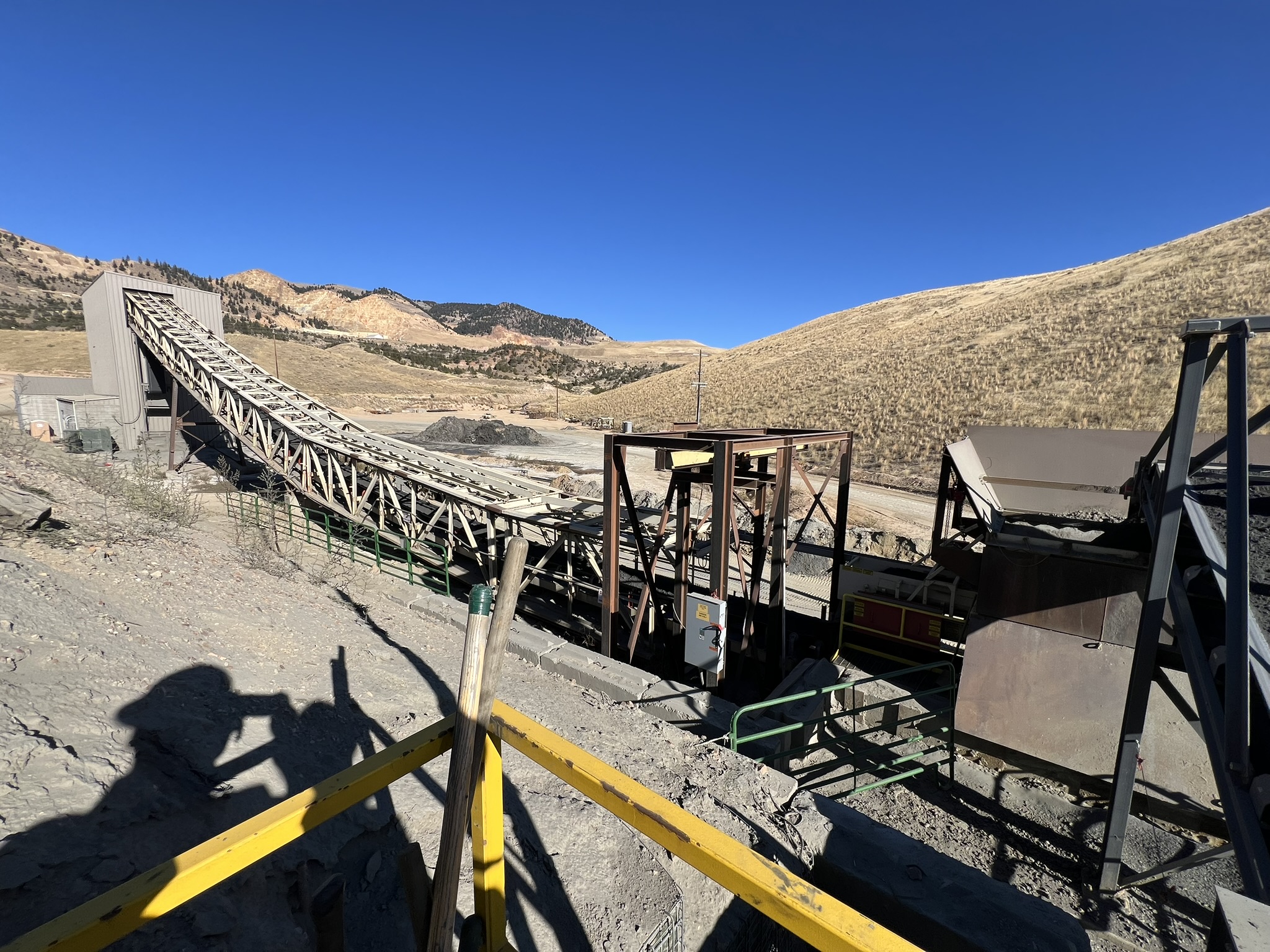
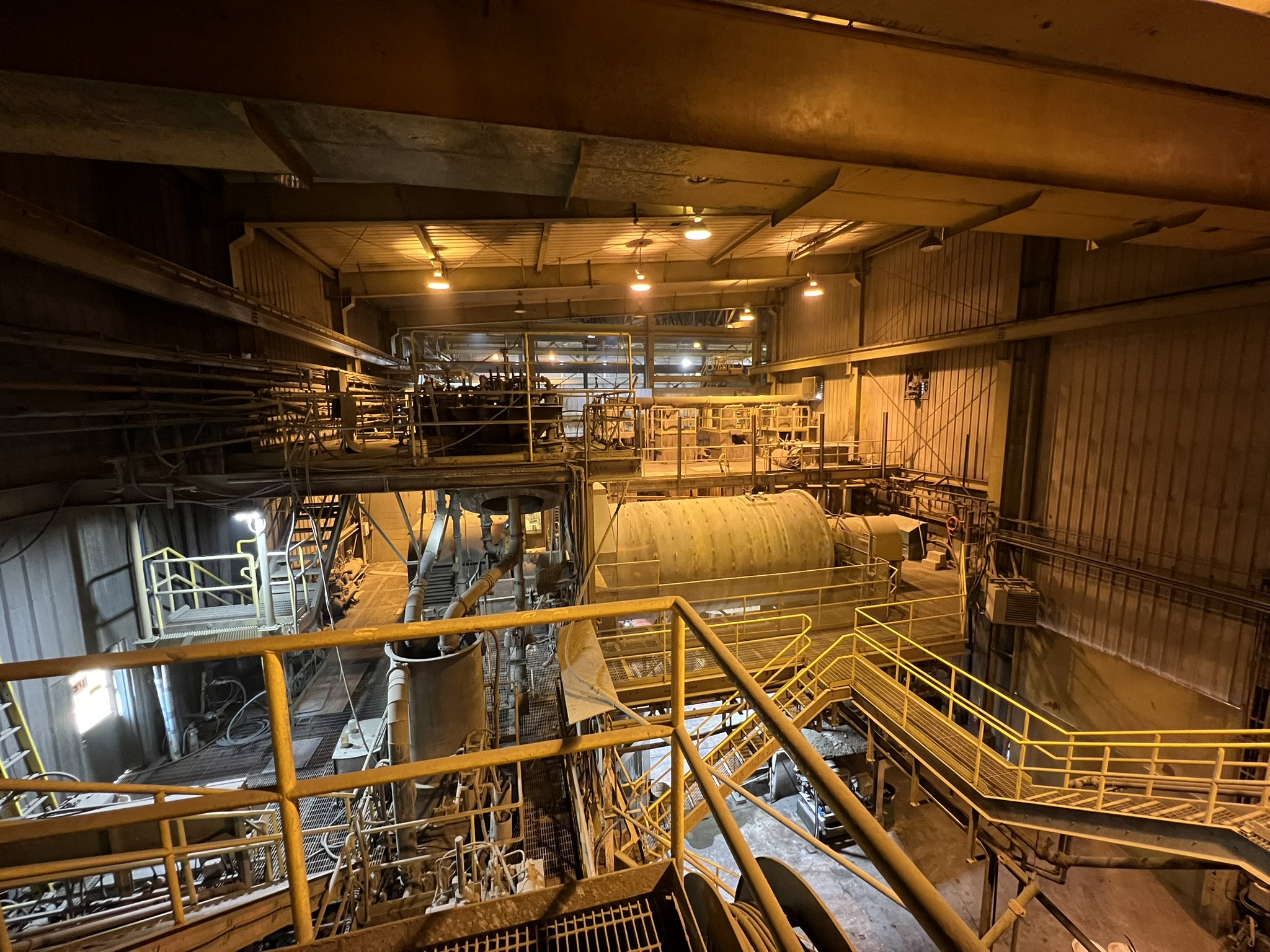
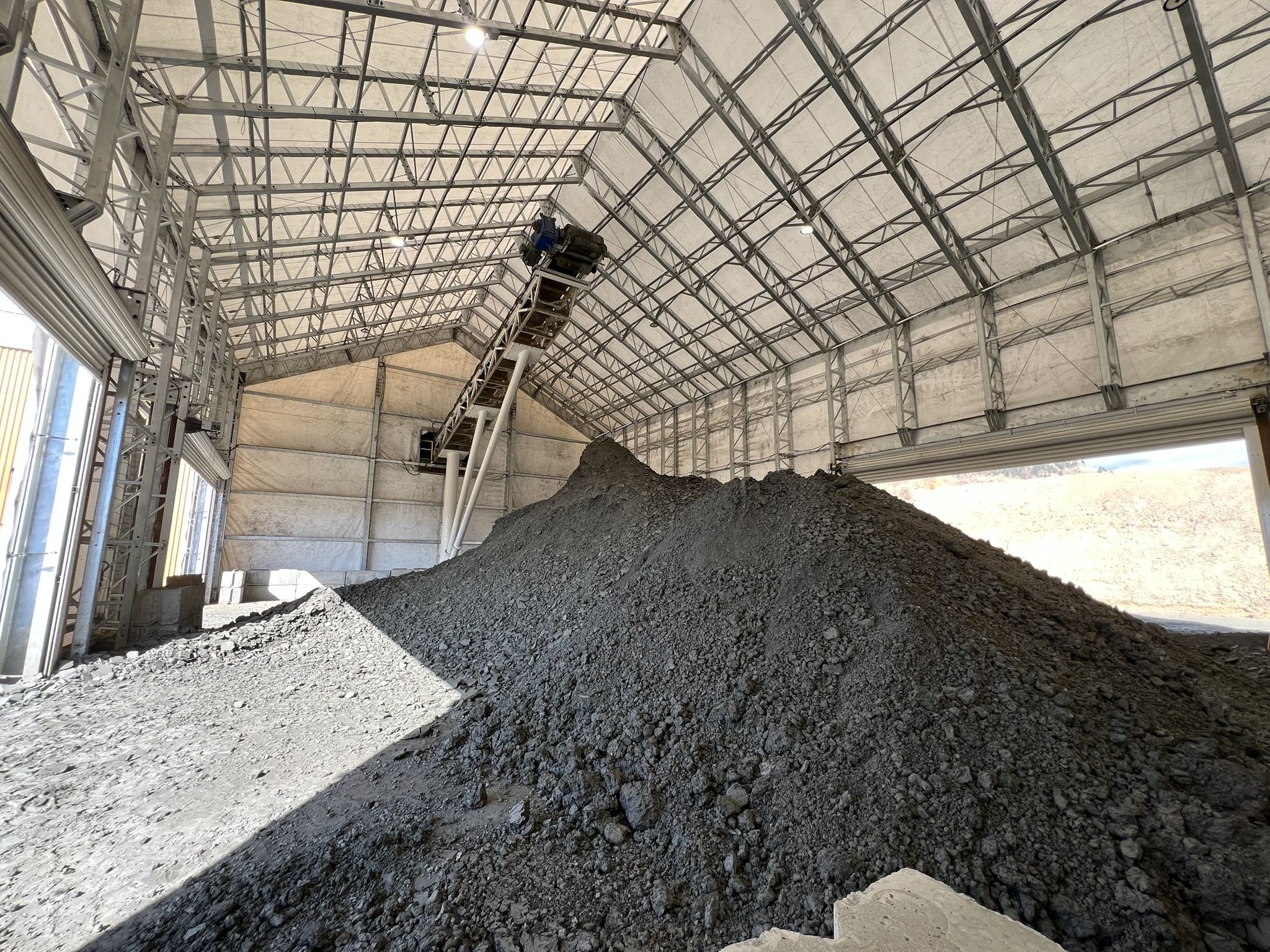
CEMS was engaged to undertake a comprehensive process audit and debottlenecking study for a tailings reprocessing facility in North America. The operation recovers valuable sulphide-bearing minerals from historic tailings deposits and had already demonstrated stable production at approximately 130 tph, producing between 6,500 and 7,500 tonnes of concentrate per month.
The objective of the project was to identify operational constraints and develop practical, phased solutions capable of increasing throughput beyond 250 tph while maintaining circuit stability, equipment reliability and metallurgical performance. The study combined site inspections, operational performance reviews, process mass balances, equipment assessments and OEM collaboration to develop a roadmap for sustainable production growth.
The Solve:
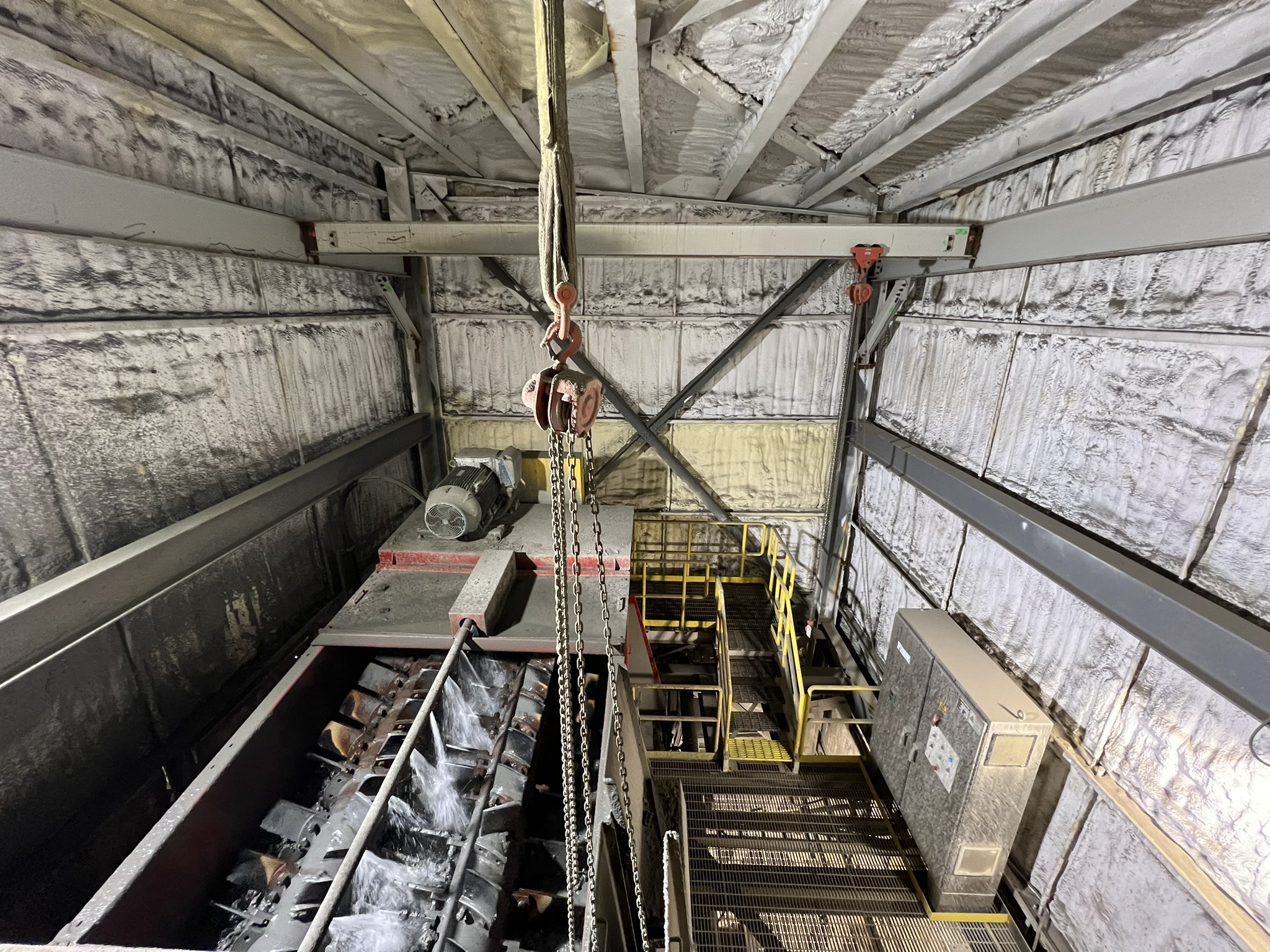
CEMS conducted a detailed investigation of the process plant and identified several key bottlenecks limiting production. The repulping section, comprising the mineral sizer and log washer, was found to be the primary constraint affecting slurry preparation and overall throughput. Secondary limitations were identified within the thickening and pumping circuits.
Working closely with equipment suppliers, CEMS developed a phased optimisation strategy aimed at maximising throughput with minimal capital expenditure. Improvements included modifications to the mineral sizing and repulping systems, optimisation of log washer internals, revised dilution water distribution and the evaluation of attrition scrubbing technologies to enhance fines liberation and increase capacity.
The project further recommended reconfiguration of existing thickener infrastructure, operating flotation-feed and regrind thickeners in parallel to increase thickening area by approximately 60% and improve underflow density control. This strategy enabled significant throughput gains without major equipment replacement. Additional reliability improvements included upgrades to slurry pumping systems, process water management and preventative maintenance strategies.
Through integrated process engineering and equipment optimisation, the project established a clear pathway for increasing production while preserving circuit stability and reducing operational risk.
The resulting solution delivered:
- Identification and elimination of key process bottlenecks.
- A phased roadmap to increase plant throughput beyond 250 tph.
- Increased thickening capacity through circuit reconfiguration.
- Improved slurry preparation and fines liberation.
- Enhanced equipment reliability and maintenance strategies.
- Optimised process water utilisation and pumping systems.
- Reduced capital expenditure through the use of existing infrastructure.
- Increased concentrate production and overall plant efficiency.
Conclusion:
The process audit and debottlenecking study demonstrate CEMS’ capability to optimise existing mineral processing operations through practical, data-driven engineering solutions. By combining process engineering, equipment assessments, hydraulic analysis and close collaboration with OEMs, CEMS delivered a comprehensive strategy to unlock additional production capacity while minimising capital costs.
The project highlights CEMS’ ability to support brownfield process plant expansions and maximise the value of existing assets through innovative optimisation and operational improvement initiatives. Through a combination of targeted upgrades and strategic process reconfiguration, CEMS provided a scalable pathway to significantly increase throughput while maintaining long-term reliability and operational excellence.